Dinh Cau Temple or Ho Quoc Pagoda, Which First
Editorial team · Checked 5 November 2026
In short
Visit Dinh Cau in the late afternoon for the sunset light, and expect about 15 to 20 minutes there with no entrance fee. Ask us on WhatsApp for Ho Quoc Pagoda timing and route.
Dinh Cau Temple and Ho Quoc Pagoda are both worth a visit, but they suit different times. Dinh Cau is best in the late afternoon, when the light softens. It takes about 15 to 20 minutes and has no entrance fee. Our notes cover Dinh Cau in detail but give less on Ho Quoc Pagoda, so ask us on WhatsApp for its timing and route.
What is each site known for?
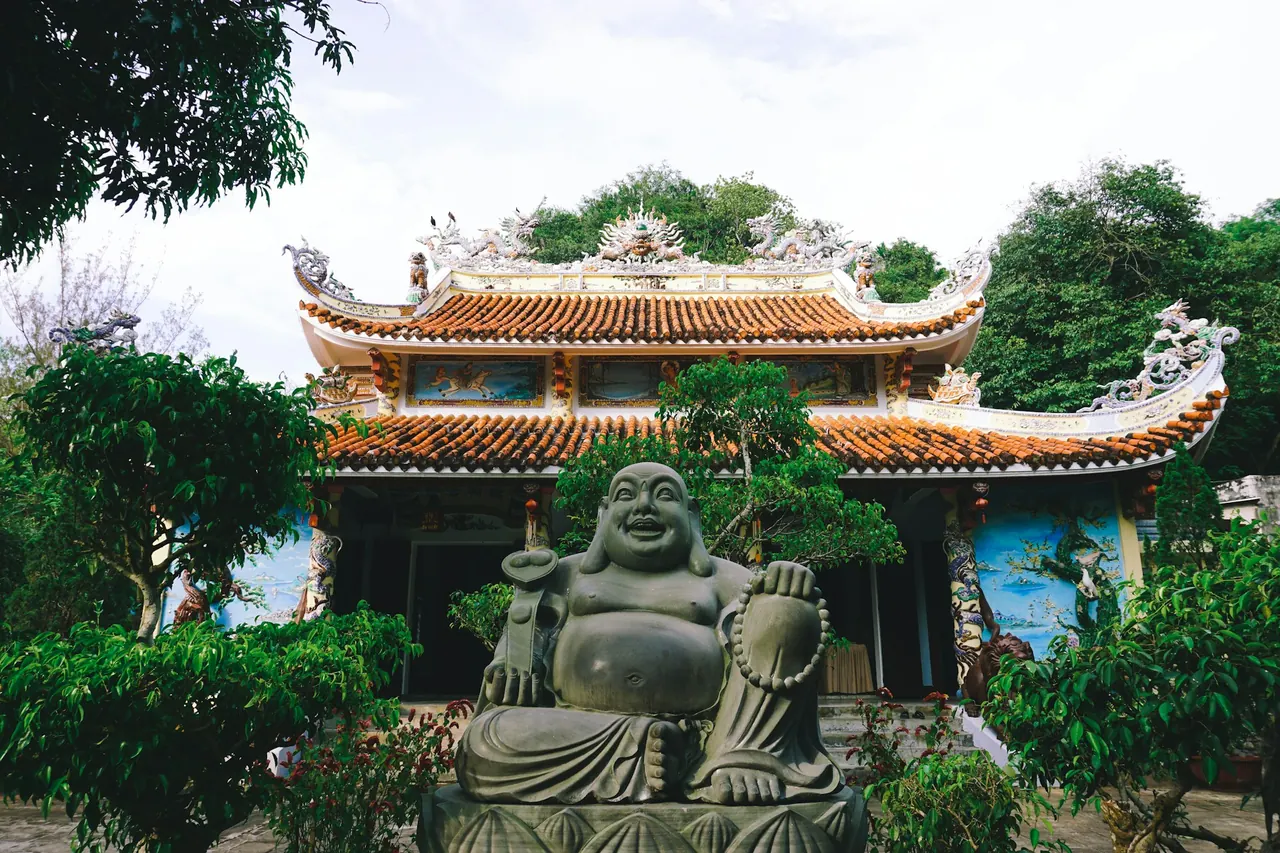
Dinh Cau dates back to around the 17th century and was built to honour the sea gods that protect fishermen. It sits on a rocky outcrop by the sea in central Duong Dong, beside a small lighthouse, where the river meets the sea. It is a quick stop rather than one of the main highlights of Phu Quoc, but the setting and the sunset view make it worth the short detour. The small lighthouse beside the temple is part of the view, so walk to the edge of the rocks for a clear look at the sea. The temple was built to honour the sea gods that protect fishermen, so treat it as a place of worship as well as a viewpoint.
Ho Quoc Pagoda is a separate temple visit. Our notes do not describe its history or layout in detail, so we do not make claims about it here. Treat your visit there as a separate, unhurried stop, and check the route on WhatsApp before you set out. Our dedicated Ho Quoc page covers visit tips and the route, and the dress guide covers what to wear, so check those before you plan the day.
How far apart are they, and how long does each take?
Dinh Cau sits in central Duong Dong, so it is easy to reach by taxi or ride-hailing app from nearby areas. From Long Beach, a taxi or ride-hailing trip is usually short and affordable. Our notes do not give the distance or travel time between Dinh Cau and Ho Quoc Pagoda, so ask us on WhatsApp for a realistic route from where you are staying. If you drive, roadside parking is close to the temple entrance.
| Site | Known for | Time needed | Best hour |
|---|---|---|---|
| Dinh Cau | Sea gods that protect fishermen, rocky outcrop, sunset view | About 15 to 20 minutes | Late afternoon |
| Ho Quoc Pagoda | Separate temple visit | Ask us on WhatsApp | Ask us on WhatsApp |
What is the best hour for each?
For Dinh Cau, the late afternoon is the best time. The light is softer, the temperature is lower, and the sunset is visible from the rocks. Midday is hot with harsh light, so avoid it if you can, and plan the rock staircase for a cooler moment of the day. Take a short break at the top before you look at the view.
For Ho Quoc Pagoda, our notes do not give a best hour directly. If midday is your only free slot, keep any visit brief and bring water. A morning start is the sensible default in the heat, but confirm the best time for the pagoda with us on WhatsApp before you set out.
What should I wear, and what etiquette applies?
At Dinh Cau, shoes must be removed before you enter the temple itself, and swimwear inside is better avoided. Dress modestly and bring a light layer, since the temple is a place of worship and the rules are for everyone. If you visit with children, keep them close on the rocks, since the staircase can feel steep in places. Note that there are no proper public toilets at the temple itself, so plan ahead.
For dress at Ho Quoc Pagoda, see our dedicated dress guide for what to wear. The rules differ by site, so check the current guidance before you go.
Practical tips for both visits:
- Wear clothes that cover your shoulders and knees, and carry a light layer.
- Bring a small amount of cash for donations, which are welcome but not required at Dinh Cau.
- Take a bottle of water, because the rock staircase at Dinh Cau can feel steep.
- Ask us on WhatsApp for the current rule on any site before you go.
Carry a small pack with water, a light layer and any personal medicine, since there are no proper public toilets at the temple itself.
What is the simple order to visit them?
A simple order works well. Visit Ho Quoc Pagoda earlier in the day, when it is cooler, and keep Dinh Cau for the late afternoon sunset. This way each site gets the light and the temperature that suit it best, and you do not spend the hottest hours on the rock stairs.
If you only have time for one, choose Dinh Cau for the sunset. On a hot day, a short morning visit to Ho Quoc Pagoda, a rest, and then Dinh Cau at sunset keeps the day comfortable for older relatives. It is a short, rewarding stop, and it is close to the centre of Duong Dong. Ho Quoc Pagoda is worth a separate, planned visit when you have the time.
What to do next
For full visit tips and the route to Ho Quoc Pagoda, read Ho Quoc Pagoda: Best Time, Route and Visit Tips. For the dress guidance, see Ho Quoc Pagoda Dress Code: Shorts and Sleeveless Tops. For an evening stroll after the sunset at Dinh Cau, read Duong Dong Night Market: Hours, Tips and Pickpockets. Message us on WhatsApp with your dates, and we will arrange the visit with local partners and confirm any price in the chat before you pay.
Frequently asked questions
What is Dinh Cau Temple known for?
How long does a visit to Dinh Cau take?
What is the best time to visit Dinh Cau?
Do I need to remove my shoes?
Is there an entrance fee at Dinh Cau?
How far apart are Dinh Cau and Ho Quoc Pagoda?
Read next
-
 Services
Ho Quoc Pagoda Best Time, Route and Visit Tips
Ho Quoc Pagoda is in the south behind Dam beach and buses do not go there. Go by taxi, excursion or rented transport, dress modestly, and message us on WhatsApp to plan your visit.
Read → -
 Guides
Ho Quoc Pagoda Dress Code: Shorts and Sleeveless Tops
Cover your shoulders and knees at Ho Quoc Pagoda, take your shoes off at the temple buildings, and avoid short shorts. Free capes are available near the main entrance gate for visitors who need covering.
Read → -
 Services
Duong Dong Night Market Hours, Tips and Pickpockets
Duong Dong Night Market is mainly for food. Pickpocket risk is the usual crowd kind, so watch bags and phones, bring small cash notes, and go in the early evening when stalls are open and busiest.
Read →