Best Months for Beaches and Outdoor Sights in Phu Quoc
Editorial team · Checked 5 November 2026

In short
December to March is the best window for calm, clear beach days, while June to September brings the strongest flow at Tranh Waterfall. April and October to November are shoulder months with good weather and more competitive prices.
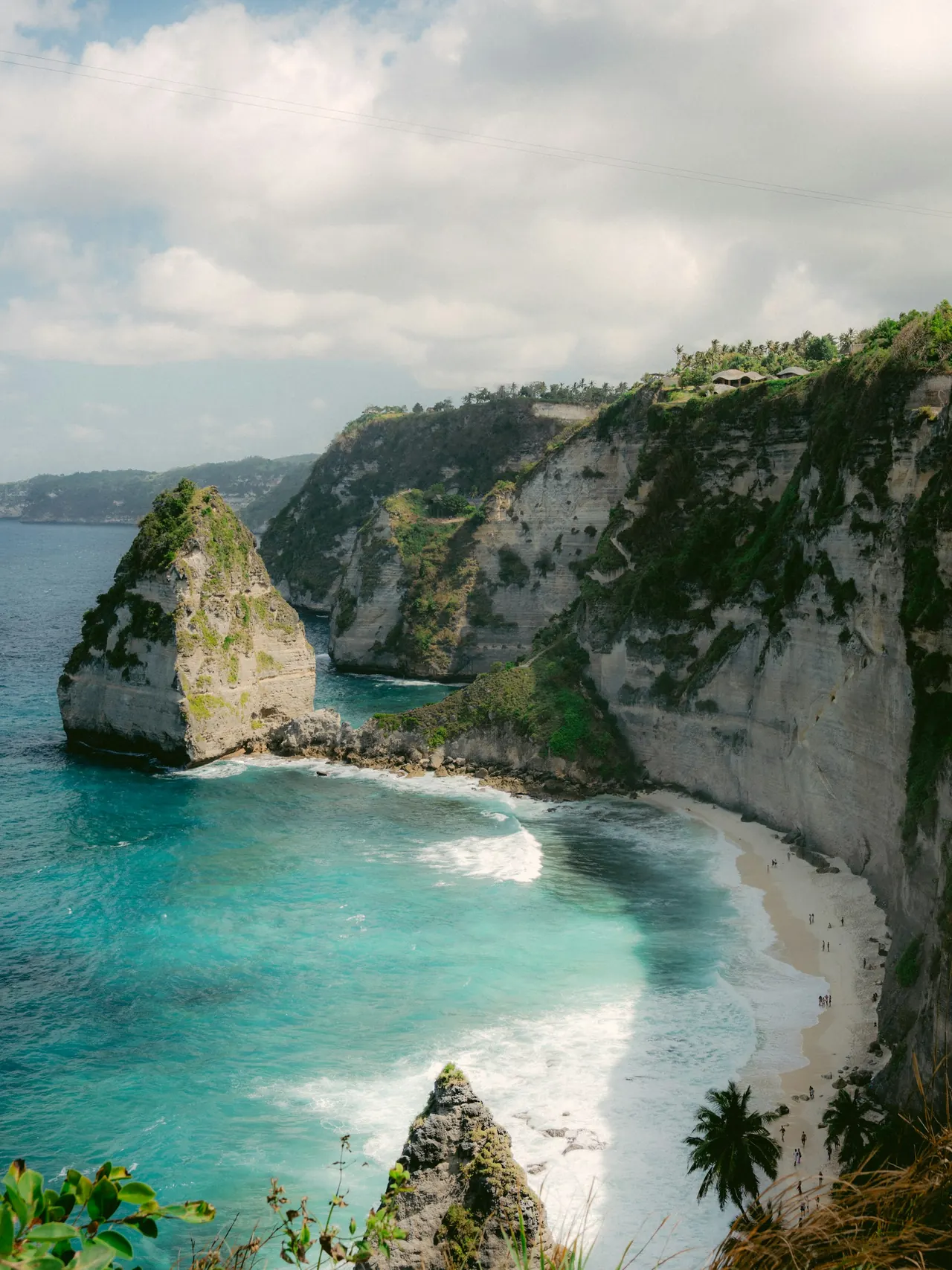
December to March is the best window for beaches on Phu Quoc, with sunny days, calm turquoise seas and pleasant temperatures. For waterfalls, the rainy season shows the most water, and June to September has the strongest flow at Tranh Waterfall. April and October to November are shoulder months that balance good weather with more competitive prices.
Which months are dry and which are wet?
The dry season runs from about November to April, and the rainy season runs from about May to October.
Phu Quoc has a tropical monsoon climate with two distinct seasons. The dry season brings clear blue skies, plenty of sunshine and calm turquoise seas, with very little rain. There is a slight chance of showers in November and April.
The rainy season brings rain in short, heavy bursts, usually in the afternoon, which leaves the rest of the day clear. June and July bring more rain, though sunny spells still appear, particularly in the mornings. August and September are typically the wettest months on the island, with prolonged downpours at the peak. October is a transitional month, and sunny days return by the end of it.
| Period | Weather | Beaches | Waterfalls |
|---|---|---|---|
| November to March | Sunny, calm seas, pleasant temperatures | Best window for calm, clear days | Easier access, water flow may be lower |
| April | Hot, about 27 to 32 degrees Celsius | Good, with more competitive prices | Rainy season flow is strong |
| May to October | Short, heavy afternoon rain | Check the sea and forecast each day | Most spectacular, strongest in June to September |
| October to November | Transitional, sunny days return | Shoulder period, good value | Water still flowing |
What are the best months for beaches?
December is one of the best months, and November to March is generally the strongest stretch for calm seas and clear skies.
The dry season brings calm, clear water, so it is the best time for swimming, sunbathing and sea-based plans. The rainy season can still bring sunny spells, but the sky is more likely to turn cloudy in the afternoon. Morning beach time is the safest bet in the wet months.
Accommodation and tour prices are reported to be significantly lower in the rainy season. That makes the wet months appealing for budget travellers, although you should plan around the afternoon showers and keep a backup plan ready.
When are the waterfalls at their best?
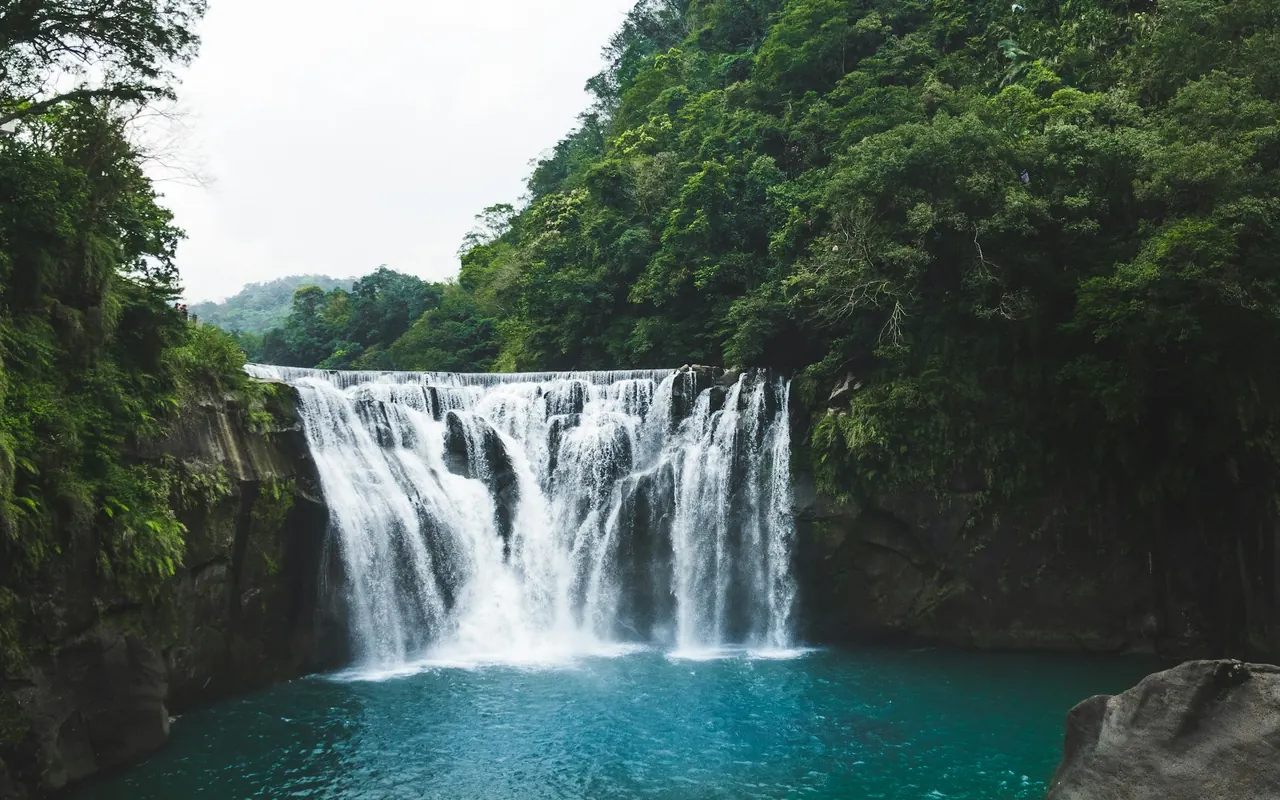
The rainy season gives the waterfalls the most water, and June to September is the strongest period for Tranh Waterfall.
From April or May to October or November, the waterfalls are at their most spectacular, though rain can occur at any point. Visitors should check the weather before they set out, because roads may become slippery in the wet season.
In the dry season from November to March, the waterfalls are easier to reach and the weather is sunny. Water flow may drop in those months, but the trails are drier and easier to walk. Ask us on WhatsApp which season suits the waterfall you have in mind.
Starting the journey early in the day helps you avoid crowds and makes the most of the natural light for photography, whatever the season.
What should you plan in the shoulder months?
April and October to November balance good weather with more competitive prices, so they suit flexible travellers who can keep an eye on the forecast.
April is one of the hottest months, so plan outdoor sights for the early morning and shade for the middle of the day. Carry water and wear sun protection, since the heat is strong even when the rain is not.
October is transitional, and sunny days return by the end of the month. Keep a flexible plan so you can swap a waterfall day for a beach day when the sky looks right.
- Check the forecast the night before, and again each morning.
- Start outdoor plans early in the day.
- Keep a covered backup for the afternoon in the wet months.
- Ask us on WhatsApp about crowd levels for your exact dates, since these are not measured here.
Which months suit a short trip?
If you have only a week or two, December to March gives you the most reliable sunshine and calm seas for beaches, and the dry season also makes the trails easier to walk. November is a good start to the dry season, though a slight chance of showers remains early in the month.
If your priority is the waterfalls, plan for June to September, when the flow at Tranh Waterfall is strongest, and accept that rain can arrive suddenly. April and October to November suit travellers who want a balance of good weather and more competitive prices, and they give you the flexibility to swap between beach days and waterfall days as the forecast changes.
Ask us on WhatsApp about the best month for your mix of sights, and we will suggest a route that fits your dates.
What to do next
To plan a beach day within the dry season, read Bai Sao Beach: July Weather and Rainy Season Safety for the wet-season conditions. For a waterfall visit, see Suoi Tranh Waterfall: Entry, Dry Season and Visit. If you are planning a cable car ride, read Best Time for Cable Car Views at Hon Thom to pick the clearest window. Message us on WhatsApp with your travel dates, and we will suggest the months and sights that fit your trip.
Frequently asked questions
What are the dry and wet seasons on Phu Quoc?
Which months are best for beaches on Phu Quoc?
When is the best time to see the waterfalls?
How hot is Phu Quoc in April?
Are crowds lighter in the rainy season?
What should I plan for the shoulder months?
Read next
-
 Services
Bai Sao Beach in July Weather and Swimming Safety
July is mid rainy season: hot, humid, with frequent showers and often rough seas. Bai Sao is reported to be sheltered, but currents can still be risky, so ask us on WhatsApp for the sea state that day.
Read → -
 Services
Suoi Tranh Waterfall Entry, Dry Season and Visit
Entry is paid: one operator lists adults at about VND 30,000 and children at about VND 20,000 (checked 5 November 2026). Local sources advise against the dry season, when there is too little water for bathing.
Read → -
 Guides
Best Time for Cable Car Views at Hon Thom
The dry season from about November to April brings calm seas and clear skies. Ride in the morning for clear air, or about 15 to 20 minutes before sunset for gold light, and check the weather first.
Read →